
Mehta Family School of Sustainability
Indian Institute of Technology Indore
Indian Institute of Technology Indore
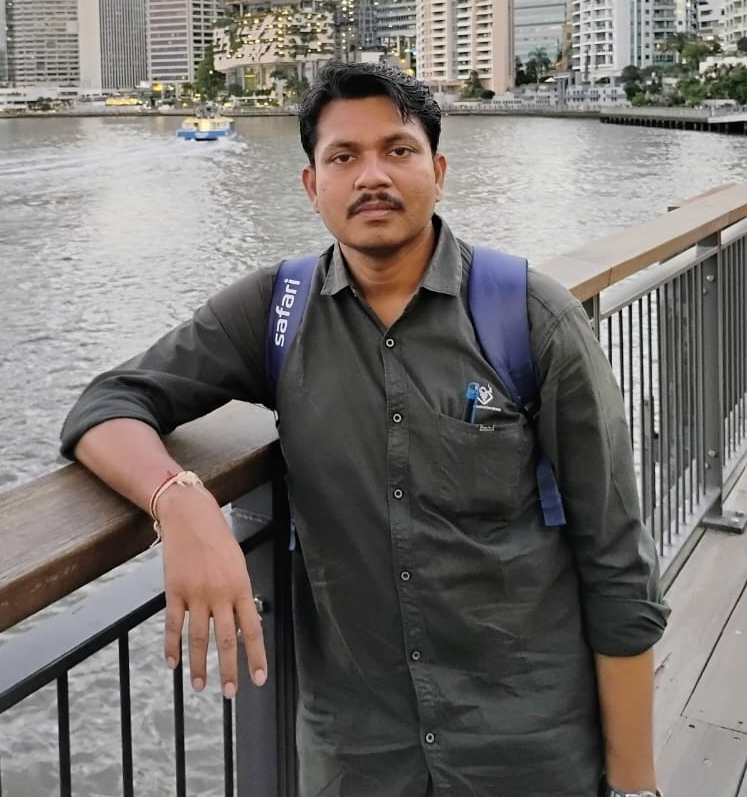
Email: dinabandhu@iiti.ac.in
Dr. Dinabandhu Mahata has completed his Master of Population Studies (MPS) and M. Phil at the Department of Population and Development in the International Institute for Population Sciences, Mumbai, India. He completed his Doctoral Degree from the Central University of Tamil Nadu. He mainly works in the field of Population and Development, urban studies, climate change, environmental sustainability, gender issues, and tribal health. Additionally, he is interested in the issues of political conflict, ethnicity, and development in various geographical regions of India.
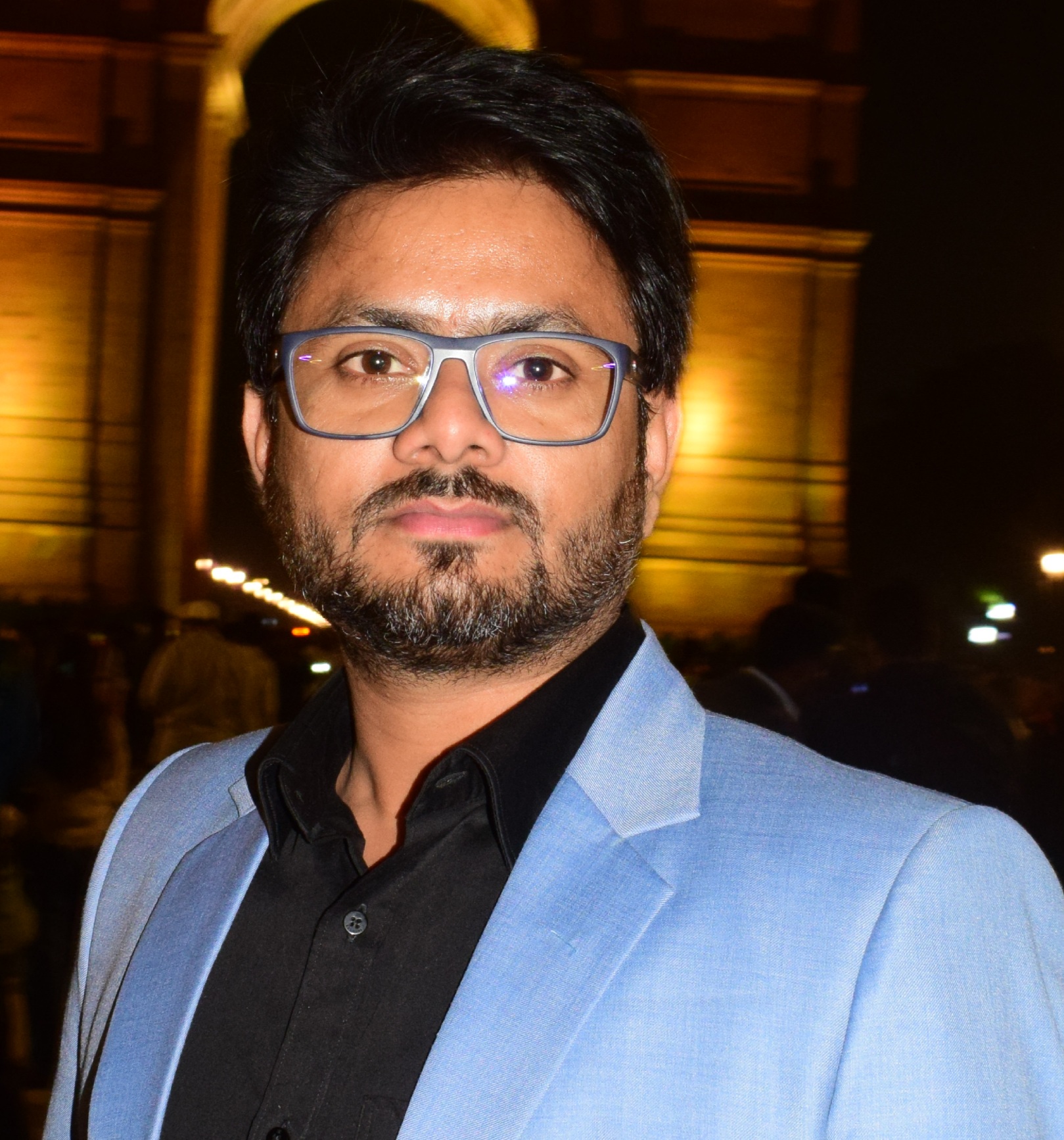
Email: ddixit@iiti.ac.in, divyanshu.k.dixit13@gmail.com
Dr. Dixit earned his PhD from the Indian Institute of Technology Roorkee and holds a master's degree in Geography from Banaras Hindu University. His doctoral research focused on the urban-fringe, land-use dynamics and livelihood diversification combining geospatial analysis with field-based insights. Currently, Dr. Dixit is a Research Associate at IIT Indore, contributing to the Narmada River Basin project, funded by the Ministry of Jal Shakti, Government of India. His research interests span Urban Studies especially Urban Fringe, Land-use Dynamics, and Geospatial Analysis.
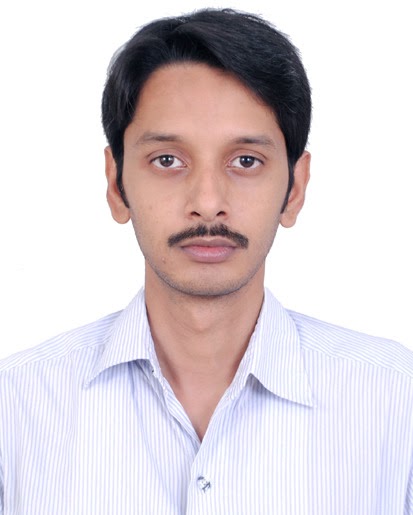
Email: subha@iiti.ac.in, subha.gis@gmail.com
Subha Chakraborty is a researcher with nine years of expertise in socio-ecological assessment, climate change impacts, and ecosystem management. Skilled in Remote Sensing and GIS, he focuses on climate-driven ecosystem modeling and socio-ecological interconnectivity, with future interests in resilience and sustainable landscape management. Holding a Ph.D. from IIEST on North Andaman mangroves, he has worked across institutions like IIT Kharagpur and IIT Roorkee, contributing to projects in land use and ecosystem analysis. Subha is published in journals such as Journal of Cleaner Production and serves as a reviewer for various scientific publications.

Dr. Salla Nithyanth Kumar earned his PhD from IIT Indore. Currently, he serves as an Assistant Professor in the Department of Humanities at MITS, Andhra Pradesh. His research applies theoretical apparatus such as Hicksian and Marxian models to address resource scarcity and allocative efficiency. His skills are interdisciplinary, drawing insights from convex optimisation to resolve governance challenges in the Water-Energy-Food nexus.